
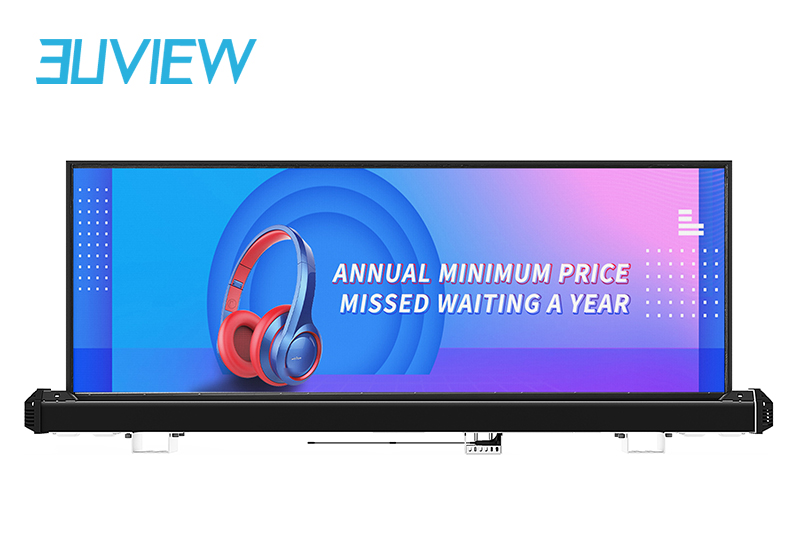
In today’s rapidly evolving technological landscape, smart display solutions have become an integral component of modern transportation systems and the broader Internet of Things (IoT) ecosystem. A leading player specializing in smart mobile LED/LCD displays has been making significant strides by focusing on vehicle-mounted terminals across various transportation modes, including buses, taxis, online ride-hailing vehicles, and express delivery fleets. This company is dedicated to creating a global smart mobile vehicle display ecological chain, delivering comprehensive solutions for mobile IoT display devices to clients worldwide.
### Pioneering Smart Mobile Vehicle Displays for Diverse Applications
The smart mobile LED/LCD displays developed are tailored specifically for vehicle-mounted terminals, addressing unique challenges associated with mobile environments. Unlike conventional static displays, these solutions offer high visibility, robustness against vibrations and environmental factors, and seamless connectivity essential for real-time data transmission and interaction.
The primary applications span across:
- **Public Transportation:** Buses equipped with these smart displays enhance passenger information dissemination, offering real-time route updates, arrival times, safety messages, and advertisements. This integration elevates passenger experience and operational efficiency.
- **Taxis and Online Ride-Hailing Services:** For taxi fleets and ride-hailing services, the displays provide dynamic content such as fare information, navigation directions, traffic updates, and interactive advertising. This adds value to both drivers and passengers, fostering convenience and engagement.
- **Express Delivery Vehicles:** Delivery fleets leverage these displays for route optimization, real-time communication of delivery status, and efficient coordination with distribution centers. This contributes to improved logistics workflows and customer satisfaction.
This diversified use across transportation sectors demonstrates the flexibility and adaptability of the smart mobile display technology.
### Building a Global Smart Mobile Vehicle Display Ecological Chain
Recognizing the potential of mobile IoT and connected transportation, the company is committed to constructing a comprehensive ecological chain. This involves collaborating with various stakeholders — from hardware manufacturers and software developers to transportation operators and service providers — to create an integrated network that supports innovation, scalability, and interoperability.
Key strategic initiatives include:
- **Customization and Integration:** Offering tailored display solutions that can be seamlessly integrated with existing vehicle systems and third-party platforms to meet specific operational needs.
- **Smart IoT Connectivity:** Incorporating IoT capabilities to enable real-time monitoring, remote updates, and data analytics, facilitating smarter fleet management and responsive service delivery.
- **Global Outreach:** Expanding presence in international markets by understanding local transportation dynamics and regulatory environments to provide compliant and effective display solutions worldwide.
By fostering an ecosystem that connects various elements of the mobile display and transportation sectors, the company aims to accelerate digital transformation and smart mobility adoption on a global scale.
### Advancing Mobile IoT Display Solutions: Technology and Innovation
At the core of these smart displays lies cutting-edge technology that enhances usability and performance in mobile contexts. These innovations include:
- **Durable and High-Performance Panels:** Utilization of high-brightness LED/LCD panels that maintain clarity under sunlight and across different weather conditions, ensuring uninterrupted visibility.
- **Energy-Efficient Designs:** Deploying low-power components and intelligent power management systems to optimize energy consumption, crucial for vehicle operations.
- **Robust Connectivity:** Integration of 4G/5G, Wi-Fi, and Bluetooth modules to facilitate continuous data exchange between the displays, cloud platforms, and user devices.
- **User-Friendly Interfaces:** Development of intuitive control software and remote management tools that empower operators to update content and monitor display status effortlessly.
These technological advancements not only improve the end-user experience but also contribute to sustainable operation and long-term reliability.
### Impact on the Future of Transportation and Smart Cities
The implementation of these smart mobile vehicle displays is more than just an upgrade to public and commercial transportation fleets; it represents a fundamental shift towards interconnected, data-driven mobility solutions. Key impacts include:
- **Enhanced Passenger Experience:** Real-time, contextual information improves travel comfort, safety, and engagement for passengers across various transport modes.
- **Operational Efficiency:** Transport operators gain better insight into fleet status, vehicle performance, and passenger flow, enabling more effective resource allocation and service optimization.
- **Economic Opportunities:** Dynamic advertising displayed on vehicle terminals opens new revenue streams and marketing channels, benefiting businesses and local economies.
- **Smart City Integration:** As cities pursue intelligent infrastructure, these mobile display solutions contribute to a cohesive urban ecosystem where transportation networks, information systems, and public services are interconnected.
In essence, the ongoing deployment of smart vehicle-mounted displays is a key enabler of next-generation transportation systems and smart urban environments.
### Looking Ahead: Commitment to Innovation and Collaboration
Moving forward, the company remains steadfast in its vision to lead the mobile vehicle display industry globally. Plans include continuous investment in research and development to introduce advanced features such as AI-powered content customization, augmented reality integration, and enhanced cybersecurity measures.
Moreover, collaboration with industry partners, governmental bodies, and technology innovators will be prioritized to align developments with evolving market demands and regulatory standards.
### Conclusion
As transportation systems evolve in the digital era, smart mobile LED/LCD displays designed for vehicle-mounted terminals are proving indispensable. By specializing in this niche and building a robust global ecosystem, the company is not only transforming passenger and fleet experiences but also contributing significantly to the broader IoT and smart mobility landscape. With ongoing innovation and strategic partnerships, these smart vehicle displays are set to play a pivotal role in shaping the future of connected transportation worldwide.